How Can a Disc Brake Surface Grinding Machine Improve Brake Disc Precision and Workshop Efficiency
In modern automotive maintenance and brake manufacturing, precision and surface finish are critical to ensuring safety, performance, and longevity. A Disc Brake Surface Grinding Machine plays a vital role in restoring, resurfacing, and manufacturing brake discs with micron-level accuracy. This comprehensive guide explores how advanced grinding technology enhances brake rotor flatness, parallelism, and surface roughness while improving workshop productivity. We also examine technical specifications, performance advantages, cost-saving benefits, and selection criteria to help you choose the ideal solution for your operation.

Table of Contents
- 1. Why Brake Disc Surface Precision Matters
- 2. What Is a Disc Brake Surface Grinding Machine?
- 3. Working Principle and Core Components
- 4. Key Technical Specifications
- 5. Advantages Over Traditional Machining Methods
- 6. Industrial Applications
- 7. How to Choose the Right Machine
- 8. Maintenance and Operational Tips
- 9. ROI and Productivity Analysis
- 10. Frequently Asked Questions
1. Why Brake Disc Surface Precision Matters
Brake discs (rotors) are directly responsible for vehicle stopping performance. Even slight surface irregularities can cause:
- Brake vibration and pulsation
- Uneven pad wear
- Reduced braking efficiency
- Excessive noise
Surface roughness, thickness variation (DTV), and lateral runout significantly affect safety. A professional disc brake surface grinding machine ensures consistent flatness and parallelism, meeting strict automotive tolerances.
2. What Is a Disc Brake Surface Grinding Machine?
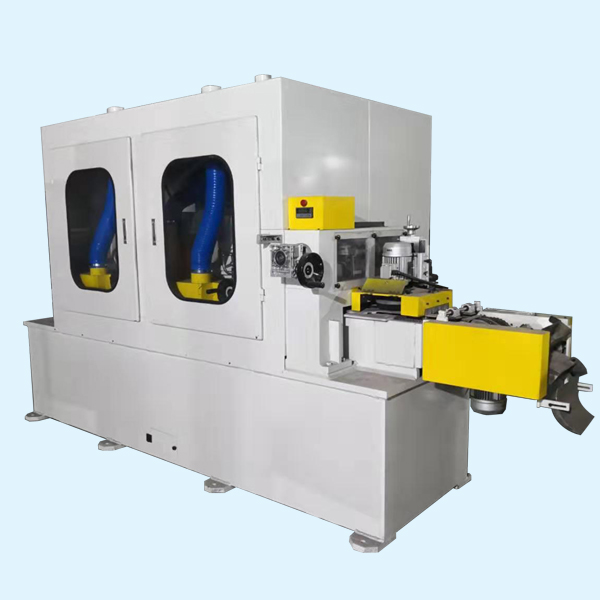
A disc brake surface grinding machine is specialized equipment designed to grind and resurface brake rotors with high precision. Unlike traditional lathes, grinding technology provides superior surface finish and dimensional accuracy.
Modern systems, such as those developed by Longhui, integrate automatic feeding systems, precision spindles, and digital control panels to ensure repeatable and efficient operation.
3. Working Principle and Core Components
3.1 Working Principle
The machine uses a high-speed grinding wheel to remove microscopic layers of material from both sides of the brake disc. Controlled feed mechanisms ensure uniform material removal.
3.2 Core Components
- Grinding Spindle: Ensures stable rotation and minimal vibration.
- Worktable & Fixture: Secures brake discs precisely.
- Automatic Feed System: Controls grinding depth.
- Cooling System: Prevents overheating and maintains material integrity.
- Digital Control Panel: Allows parameter adjustment and monitoring.
4. Key Technical Specifications
| Specification | Typical Range |
|---|---|
| Grinding Disc Diameter | 180mm – 400mm |
| Surface Roughness | Ra 0.8 – 1.6 μm |
| Parallelism Accuracy | ≤ 0.005 mm |
| Spindle Speed | Variable Frequency Control |
| Automation Level | Semi-automatic / Fully Automatic |
These parameters ensure that brake discs meet OEM-level standards for automotive safety and performance.
5. Advantages Over Traditional Machining Methods
5.1 Grinding vs. Turning
- Higher dimensional accuracy
- Superior surface finish
- Reduced vibration marks
- Better parallelism control
5.2 Enhanced Efficiency
Automated grinding reduces manual intervention, shortens cycle time, and improves consistency across batches.
5.3 Cost Savings
- Extends brake disc lifespan
- Reduces scrap rate
- Lowers labor costs
6. Industrial Applications
- Automotive repair workshops
- Brake disc manufacturing plants
- Remanufacturing facilities
- Heavy vehicle maintenance centers
As global automotive standards become stricter, surface grinding technology is increasingly adopted to ensure compliance and safety.
7. How to Choose the Right Machine
- Assess Production Volume: High-volume operations require automated systems.
- Check Precision Requirements: Ensure the machine meets required tolerances.
- Evaluate Spindle Stability: Critical for vibration-free grinding.
- Consider After-Sales Support: Reliable technical service is essential.
- Energy Efficiency: Lower power consumption reduces operating costs.
Reviewing product details from reputable manufacturers like disc brake surface grinding machine solutions can help identify the best configuration for your needs.
8. Maintenance and Operational Tips
- Regularly inspect grinding wheels for wear.
- Maintain proper coolant levels.
- Calibrate measuring systems periodically.
- Ensure spindle alignment.
Preventive maintenance enhances machine longevity and ensures consistent grinding accuracy.
9. ROI and Productivity Analysis
Investing in a high-quality disc brake surface grinding machine can deliver measurable returns:
- Increased throughput by up to 30%
- Reduced material waste
- Improved customer satisfaction
- Higher service revenue
Over time, improved efficiency offsets initial equipment investment, making it a strategic asset for workshops and manufacturers.
10. Frequently Asked Questions (FAQ)
Q1: How often should brake discs be resurfaced?
It depends on wear level and manufacturer recommendations. Resurfacing is typically done when surface irregularities appear.
Q2: Is grinding better than turning?
Grinding generally provides superior surface finish and precision compared to turning.
Q3: Can one machine handle different rotor sizes?
Yes, adjustable fixtures allow compatibility with multiple disc diameters.
Q4: What is the expected lifespan of a grinding wheel?
It varies based on usage frequency and material type but should be inspected regularly.
Q5: Why choose Longhui equipment?
Longhui offers precision engineering, advanced automation, and reliable after-sales support tailored for modern automotive workshops.
Conclusion
A disc brake surface grinding machine is more than just a maintenance tool—it is a precision solution that enhances safety, efficiency, and profitability. By adopting advanced grinding technology, automotive workshops and manufacturers can ensure superior brake performance and consistent quality standards.
If you are looking to upgrade your brake disc machining capabilities, now is the time to explore advanced solutions. For detailed specifications and customized recommendations, contact us today to discover how Longhui can support your precision grinding needs.
Related News
Leave me a message