How Can an Electrostatic Coating Line for Buses Improve Production Efficiency and Surface Quality
The electrostatic coating line for buses is transforming modern bus manufacturing by enhancing coating efficiency, reducing material waste, and ensuring superior surface finishes. This comprehensive guide explores how automated electrostatic spray systems work, their core components, technical advantages, process flow, environmental compliance, ROI considerations, and how leading manufacturers like Longhui deliver integrated bus painting solutions.
Whether you operate a large-scale bus manufacturing plant or are upgrading an existing paint shop, this in-depth guide will help you understand how electrostatic coating technology can optimize your production line while meeting global quality and environmental standards.

Table of Contents
- 1. What Is an Electrostatic Coating Line for Buses?
- 2. Why Is Electrostatic Coating Ideal for Bus Manufacturing?
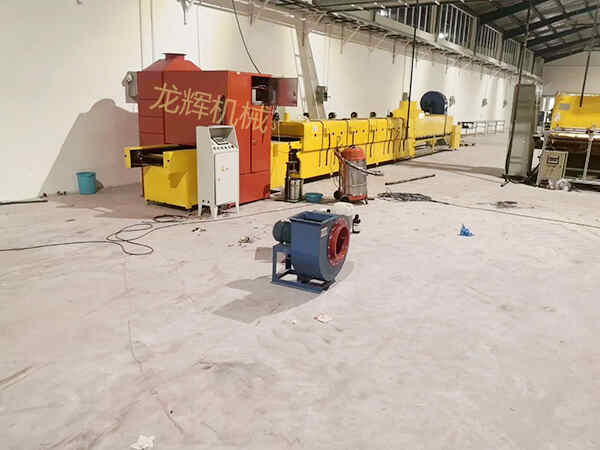
- 3. Core Components of a Bus Electrostatic Coating Line
- 4. Complete Process Flow of a Bus Coating Production Line
- 5. Technical Advantages Over Traditional Spray Systems
- 6. Environmental & Energy Efficiency Benefits
- 7. ROI and Cost Considerations
- 8. Customization and Smart Automation Trends
- 9. Choosing the Right Bus Coating Line Supplier
- 10. Frequently Asked Questions (FAQ)
1. What Is an Electrostatic Coating Line for Buses?
An electrostatic coating line for buses is a fully integrated industrial painting system designed specifically for coating large commercial vehicles such as city buses, coaches, and electric buses. The system uses electrostatic spray technology to charge paint particles so they are attracted to grounded bus bodies, ensuring uniform coverage and high transfer efficiency.
Unlike conventional air spray methods, electrostatic systems significantly reduce overspray while achieving a smooth and durable finish across complex bus body geometries.
2. Why Is Electrostatic Coating Ideal for Bus Manufacturing?
Buses are large, multi-panel vehicles with complex structural components. Traditional spray methods often lead to uneven coating thickness and high paint waste. Electrostatic coating provides measurable improvements:
- ✔ High transfer efficiency (up to 85–95%)
- ✔ Uniform film thickness on large surfaces
- ✔ Reduced paint consumption
- ✔ Improved corrosion resistance
- ✔ Lower VOC emissions
For electric bus manufacturers especially, surface durability and aesthetics are essential for brand positioning and long-term reliability.
3. Core Components of a Bus Electrostatic Coating Line
| Component | Function |
|---|---|
| Pretreatment System | Degreasing, phosphating, and cleaning to enhance paint adhesion |
| Drying Oven | Removes moisture before coating |
| Electrostatic Spray Booth | Applies charged paint particles uniformly |
| Conveyor System | Transports bus bodies through each stage |
| Curing Oven | Thermally cures coating for durability |
| Control System | Automates voltage, temperature, and line speed |
Manufacturers like Longhui design modular systems tailored for different bus sizes and production capacities.
4. Complete Process Flow of a Bus Coating Production Line
- Surface Pretreatment – Cleaning and phosphating
- Drying – Removal of residual moisture
- Electrostatic Primer Application
- Flash-Off Zone
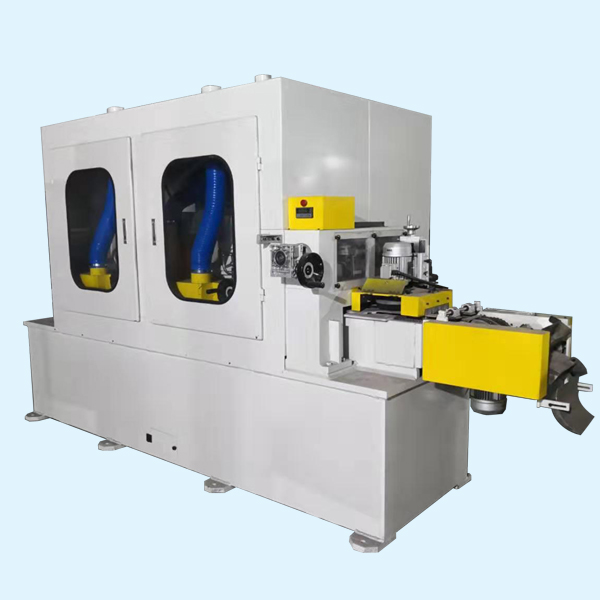
- Intermediate Sanding
- Topcoat Electrostatic Spraying
- Curing & Baking
- Final Inspection
The entire process is engineered for continuous operation, ensuring high throughput without compromising finish quality.
5. Technical Advantages Over Traditional Spray Systems
1. Superior Transfer Efficiency
Electrostatic attraction ensures paint particles wrap around complex surfaces, minimizing waste.
2. Better Surface Finish
Reduced orange peel effect and enhanced gloss consistency.
3. Reduced Rework Rate
Even coating thickness reduces defects and repainting costs.
4. Automation Integration
Compatible with robotic spray arms and PLC-based smart control systems.
6. Environmental & Energy Efficiency Benefits
- Lower VOC emissions
- Energy-efficient curing ovens
- Paint recovery systems
- Reduced hazardous waste
Compliance with global environmental standards is increasingly important in public transportation manufacturing.
7. ROI and Cost Considerations
| Factor | Impact on ROI |
|---|---|
| Paint Savings | Up to 30% reduction |
| Labor Reduction | Automated spraying lowers manpower cost |
| Production Speed | Higher throughput increases revenue |
| Maintenance Cost | Long-term durability reduces downtime |
Though initial investment may be higher than traditional systems, long-term savings significantly outweigh upfront costs.
8. Customization and Smart Automation Trends
Modern bus coating lines integrate:
- IoT-enabled monitoring systems
- Data-driven quality tracking
- Robotic precision spraying
- AI-assisted defect detection
Smart factories demand flexible and scalable coating solutions.
9. Choosing the Right Bus Coating Line Supplier
When selecting a supplier, consider:
- Experience in large vehicle coating systems
- Customization capability
- After-sales support
- Energy-efficient engineering
- Turnkey project delivery
Longhui specializes in comprehensive electrostatic coating solutions tailored for bus manufacturers worldwide, offering complete engineering, installation, and commissioning services.
10. Frequently Asked Questions (FAQ)
Q1: What coating materials can be used?
A: Water-based paint, solvent-based paint, and powder coatings are all compatible.
Q2: How long does installation take?
A: Typically 3–6 months depending on project scale.
Q3: Is electrostatic coating suitable for electric buses?
A: Yes, it is highly recommended due to its superior finish and environmental compliance.
Q4: What maintenance is required?
A: Regular inspection of spray guns, voltage systems, and conveyor mechanisms ensures optimal performance.
Conclusion
An electrostatic coating line for buses is no longer optional for modern bus manufacturers aiming for high efficiency, premium finish quality, and environmental compliance. By integrating advanced automation, optimized material usage, and smart process control, manufacturers can significantly improve operational performance.
If you are planning to upgrade your bus painting production system, choosing an experienced partner like Longhui ensures reliable engineering solutions tailored to your production needs.
Ready to optimize your bus manufacturing efficiency? Contact us today to discuss your customized electrostatic coating line solution.
Related News
Leave me a message